A Journey into the World of Turkish Pistachios
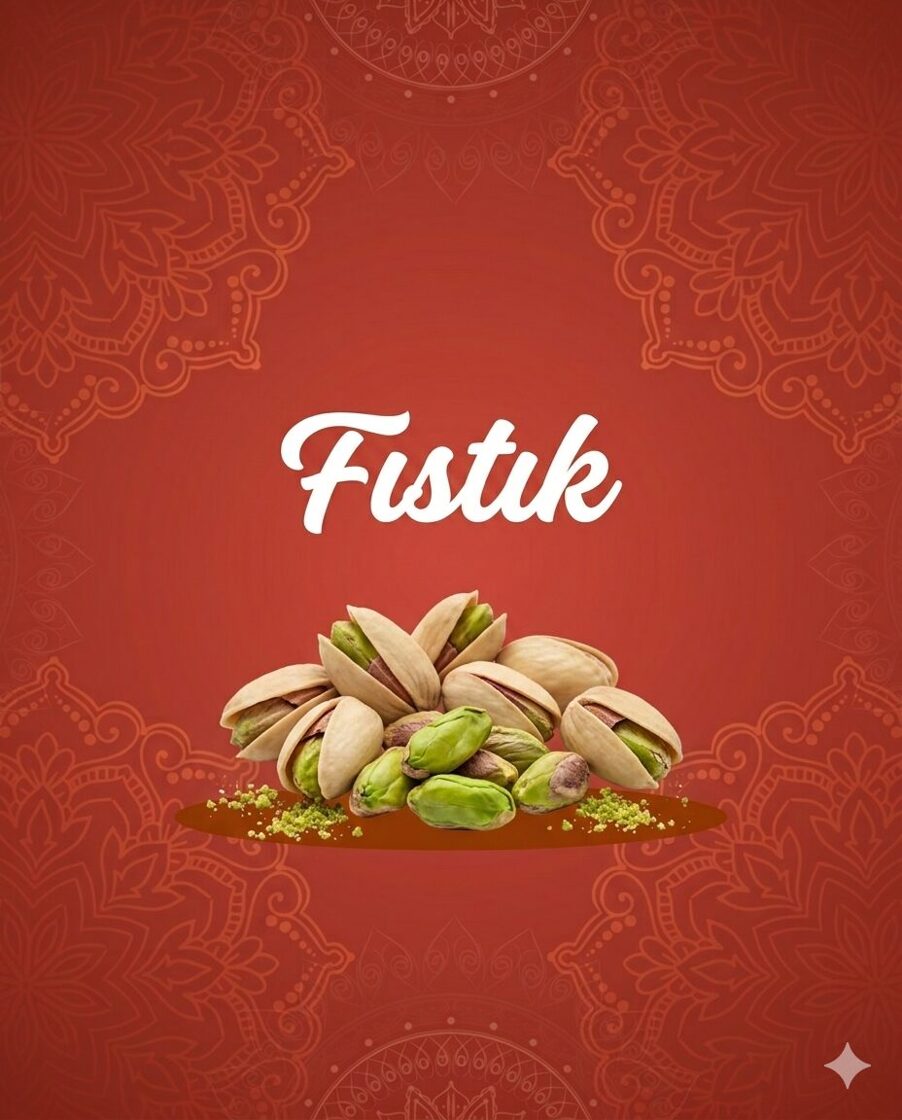
Turkish pistachios have been not only a valuable food product but also an important part of Middle Eastern and Mediterranean culture for centuries. They stand out for their rich flavor, vibrant green color, and versatile use in both traditional and modern cuisine. Today, Turkish pistachios are appreciated worldwide — from street desserts to fine dining restaurants.
Origin and History
The pistachio tree is one of the oldest cultivated fruit trees in the world. Archaeological evidence shows that pistachios were consumed more than 7,000 years ago. Their natural habitat stretches from Central Asia to Anatolia, which forms a large part of modern-day Türkiye.
Türkiye became one of the most important centers of pistachio cultivation thanks to its favorable climate — hot summers, dry air, and mineral-rich soil. The southeastern regions, in particular, have developed deep pistachio-growing traditions, where cultivation knowledge is passed down through generations.
Historically, pistachios were considered a luxury product. In ancient times, they were enjoyed by rulers, merchants, and travelers and were traded along historic trade routes as a valuable commodity.
Characteristics of Turkish Pistachios
Turkish pistachios are known for several unique qualities:
-
an intense, slightly sweet aroma;
-
a bright green kernel;
-
a higher natural oil content;
-
a crunchy yet delicate texture.
These characteristics make them especially suitable for desserts and confectionery. Compared to pistachios grown elsewhere, Turkish pistachios are often regarded as richer in flavor.
Pistachios in Turkish Cuisine
Pistachios hold a special place in Turkish cuisine. They are used in both sweet and savory dishes, adding distinctive aroma and texture.
Desserts
The best-known example is baklava — a layered pastry dessert filled with nuts and syrup. Here, pistachios are not just an ingredient but the main flavor highlight. They are finely ground, layered between thin sheets of dough, or used as decoration.
Pistachios are also commonly used in:
-
Turkish ice cream (dondurma),
-
lokum (Turkish delight),
-
cakes and pastries,
-
sweet creams and spreads.
Their natural color also reduces the need for artificial food coloring, which aligns with modern healthy eating trends.
Savory Dishes
Less widely known but equally important is their use in savory cuisine. Pistachios are added to:
-
rice dishes,
-
meat fillings,
-
kebabs,
-
salads and sauces.
They provide both texture contrast and a subtle nutty sweetness that balances strong spices.
Cultural and Social Significance
In Türkiye, pistachios symbolize hospitality, prosperity, and celebration. They are often served during special occasions such as weddings, religious holidays, and family gatherings. Offering pistachios or pistachio desserts to guests is a gesture of respect and generosity.
In many regions, the pistachio harvest season is an important community event, bringing families together and creating both economic and social value.
Nutritional Value and Modern Popularity
Today, pistachios are also valued for their nutritional benefits. They contain:
-
healthy unsaturated fats,
-
plant-based protein,
-
fiber,
-
vitamins and antioxidants.
As a result, they are popular among people following healthy lifestyles. Pistachios are enjoyed as snacks and added to breakfast dishes, smoothies, and plant-based recipes.
With growing interest in authentic flavors and regional products, Turkish pistachios are increasingly present in international gastronomy. Chefs use them in innovative creations such as pistachio pesto, creams, ice cream variations, and even coffee beverages.
Conclusion
Turkish pistachios are far more than just nuts. They represent history, tradition, culinary craftsmanship, and cultural identity. From ancient trade routes to modern kitchens around the world, pistachios continue to tell the story of a region where food has always been closely connected with people, celebration, and togetherness.