Salep: The Winter Gem of the Ottoman Empire, Its History, and Traditions
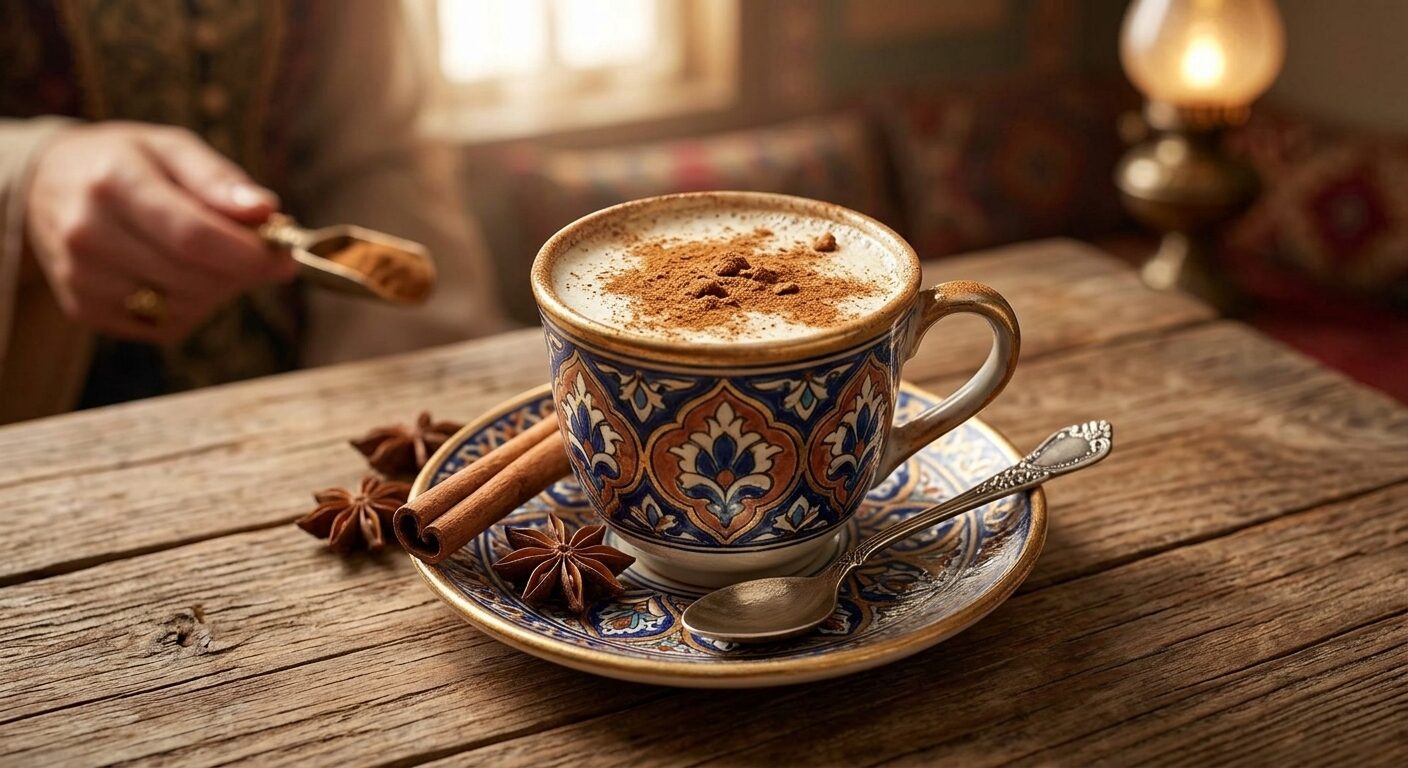
When autumn winds turn colder and winter’s chill begins to knock on the door, a unique, sweet aroma wafts through the streets and homes of Turkey – it is salep. This creamy, hot drink is more than just a way to warm up; it is a centuries-old cultural tradition that transports us straight into the atmosphere of the Ottoman Empire.
How did this unique beverage come to be, what are its ingredients, and why is it still so highly valued today? Let’s dive into the fascinating world of salep.
What Exactly Is Salep and What Is Its Origin?
The word salep comes from the Arabic phrase saḥlab, which literally translates to "fox testicles" – a name given to the plant's stems and tubers due to their specific shape.
The history of salep goes deep into the past. The first records of it appeared as early as the Middle Ages. In the 8th century, when Turkish tribes adopted Islam and stopped consuming alcoholic beverages, a strong demand arose in society for alternative, warming, and enjoyable non-alcoholic drinks. Healers and culinary experts of the time discovered that the tubers of certain wild orchid species, when properly processed, could create an incredibly rich and thick drink.
During the Ottoman Empire, the popularity of salep reached its peak. It became an integral part of court life and street trade. In the evenings, street vendors appeared in the squares of Istanbul carrying large, polished brass urns, spreading the aroma of cinnamon and sweet milk caramel while gathering passersby around them.
Unique Composition and Natural Origin
The main secret of salep and its unique texture lies in its ingredients. Authentic salep powder is obtained from wild orchid species (genus Orchis) that grow in the mountainous regions of Turkey.
Harvesting Orchid Tubers: The plant tubers are carefully harvested while the plant is in bloom or preparing to bloom.
Processing: They are washed, boiled in milk or water (to stop growth and deactivate enzymes), and then carefully sun-dried.
Grinding: Once the tubers are completely dried, they are ground into a fine, creamy powder.
This powder contains a high concentration of the polysaccharide glucomannan (a natural thickening agent). When salep powder is mixed with hot milk and sugar, it swells and creates a rich, velvety, slightly stretchy, and creamy consistency unlike any other hot drink. It is traditionally topped with a generous sprinkle of fine ground cinnamon, which perfectly complements the floral and milky notes of the drink.
Traditions and Cultural Significance
In Turkey, salep is strictly associated with the cold season – autumn and winter. As soon as the temperature drops, cafes, pastry shops, and street stalls begin serving this warming elixir.
Traditionally, salep is enjoyed slowly:
Street Culture: Meeting a salep vendor in city squares during the evening is a special ritual. It warms not only your hands holding the hot ceramic mug, but also your heart.
Cozy Evenings at Home: On cold winter nights, families gather at home to simmer salep over low heat, adding sugar and cinnamon.
Interestingly, authentic salep powder is so valuable and sought-after that its export from Turkey is strictly banned to protect the wild orchid population from extinction (orchid tubers take years to grow and mature). Therefore, when tourists buy salep in stores, they should pay attention to the ingredients – most commercial mixes outside Turkey use cornstarch and flavorings to replicate the original texture.
Salep Today: More Than Just a Drink
In modern gastronomy, salep powder serves another extremely important function – it is the secret ingredient in the famous Turkish ice cream (dondurma). Thanks to glucomannan, Turkish ice cream achieves its legendary elasticity, pliability, and resistance to melting, which allows it to be served with fun tricks and performances.
In modern cafes, salep can be enjoyed in its classic version with cinnamon or with extra toppings – ground nuts (pistachios, hazelnuts) or chocolate shavings. It has become a popular alternative to traditional hot chocolate or coffee, offering a cozy dose of nostalgia and an exotic flavor profile.
How to Make a Simple Homemade Version of Salep?
If you have access to quality salep powder, preparing it at home is very simple:
Mix 1 teaspoon of salep powder with 1–2 teaspoons of sugar.
Add a little cold milk and stir thoroughly to prevent lumps.
Gradually add the rest of the milk (about 1 cup in total), stirring continuously.
Heat over low flame, stirring constantly, until the mixture becomes thick and creamy.
Serve hot, generously sprinkled with cinnamon.
Salep is true winter comfort food in a cup – combining history, natural secrets, and unmatched warmth to make any cold day feel infinitely cozier.